How to Get Back on the Niseko Slopes after a Ski injury
Our Niseko physio’s top tips for managing a ski injury
After two long years of dreaming about snow, the Niseko ski fields have finally reopened! At Focus Physio Niseko, we’re looking forward to working with our clients to ensure they have a safe and enjoyable trip — no matter how long their stay.
If you’ve avoided the sport for the past two seasons, you may be feeling somewhat apprehensive about getting back on your board or skis. Snow sports can be very demanding on your body and there’s always a risk of injury when you take to the slopes.
In our previous post, our founder, Dan, walked us through some ski injury prevention strategies to help you prepare for your trip. But what happens if you hurt yourself on your trip? Or if an old injury flares up? Consider this post your quick guide to help you make smart decisions when you’re injured on the ski fields. Let’s dive in!
The main causes of injury while skiing or snowboarding
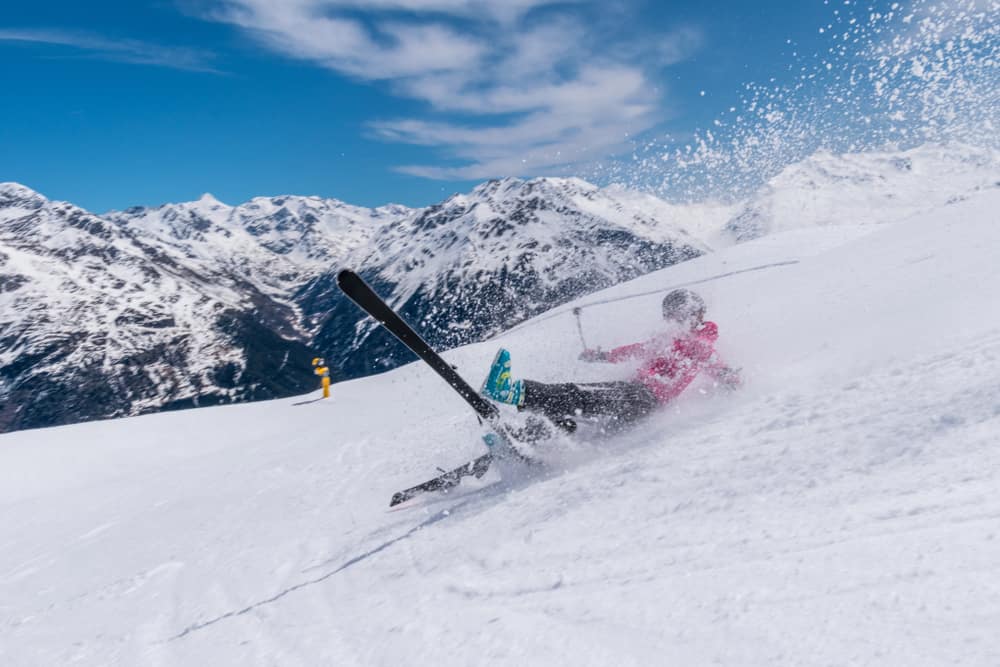
Unfortunately, skiing and snowboarding carry an inherent chance of risk — no matter how prepared you are for your trip. However, you greatly increase your chances of injuring yourself if you:
- don’t have a high level of physical fitness before you begin your trip
- don’t take the time to adequately warm up and cool down each day
- ignore or misunderstand the safety precautions on the mountain
- attempt runs that are above your skill level, or take larger risks, like going off-piste
- use incorrect or ill-fitting equipment
- experience a collision on the slopes
- ski while you’re tired, dehydrated or under the influence of alcohol.
One of the most high-risk times of day for skiing and snowboarding is between 3.30 and 5.00pm, as reported by Travis Maak, MD — a sports medicine expert and Head Orthopaedic Team Physician for the Utah Jazz. The reason? The temperature is cooler, resulting in harder, rockier terrain. In addition, muscle fatigue has usually set in by this time, meaning your response time is slower.
His advice? “Let your body be your guide. At the end of the day, there’s always one last run. That’s unavoidable. So the message we try to get out is to make that one last run a fun one… Don’t go hit the double-black as the last run, maybe take a groomer. Take a nice, little, smooth one down. Enjoy yourself… At the end of the day, if you do it that way, you’ll be able to come back the day after.”
How to treat an acute injury on the slopes
If you do get injured while you’re skiing or snowboarding, it’s essential that you take a break and book in to see a health professional as quickly as possible. Pushing through the pain is one of the worst mistakes you can make, as continuing to ski or snowboard on an injury can cause you further damage, a lot of pain and expensive medical bills once you get home!
If you feel fine after a fall or collision — even if you don’t experience any pain, numbness, bleeding, swelling or bruising after a fall, it’s still a good idea to consult a physiotherapist as soon as possible. A physio can perform a proper assessment to see if you’ve sustained any hidden injuries that may cause problems if you push yourself too hard. In some cases, your physio will recommend additional support (for example, joint braces or taping) to help you make the most of your holiday.
How to treat an old or niggling injury on the slopes
When you’re skiing or snowboarding, it’s easy for back or knee injuries to flare up and prevent you from fully enjoying your time on the mountain. The good news is, that a little pre-planning can go a long way to managing your injuries and ensuring you don’t need to end your trip early.
An experienced ski physio can perform a thorough assessment before your first day — observing your movement and testing your muscles for weakness or tightness. Once they’ve understood the underlying cause of the injury, they can provide you with a conditioning schedule to keep your body feeling good and prevent any further injury during your trip.
Physios can also set you up with maintenance treatment to help you make the most of your trip. For example, if you have a history of joint problems that will likely cause you pain during and after your day on the slopes, getting physio maintenance throughout the day can provide welcome relief.
How Focus Physio can help
One of the common barriers to treatment for skiers and snowboarders is the location of ski resorts. As they’re in the mountains, it can be hard to access the care you need and appropriate advice as to whether you can get back on the slopes. In Niseko, Focus Physio is incredibly easy to visit — only 200m away from the Hokkaido Welcome Centre, and immediately accessible from the ski fields.
Our physios are all experienced skiers and snowboarders themselves, so they understand what’s required to keep you safe and avoid injury during your trip. If you’ve experienced a fall or collision on the mountain, you can easily book a same-day assessment with one of our physios in our clinic.
Alternatively, give us a call or pop by our clinic to find out more about our services. We’d love to meet you.
Related Posts